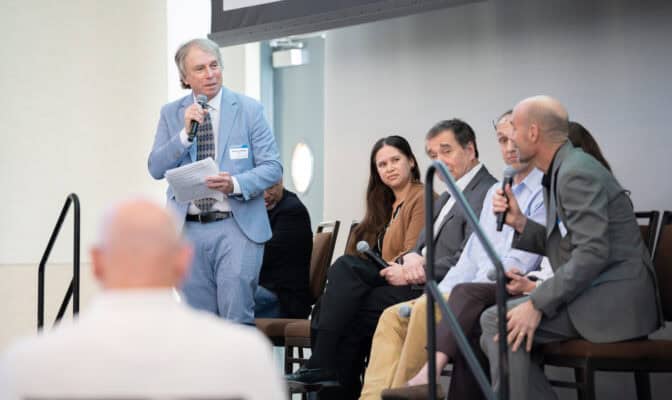
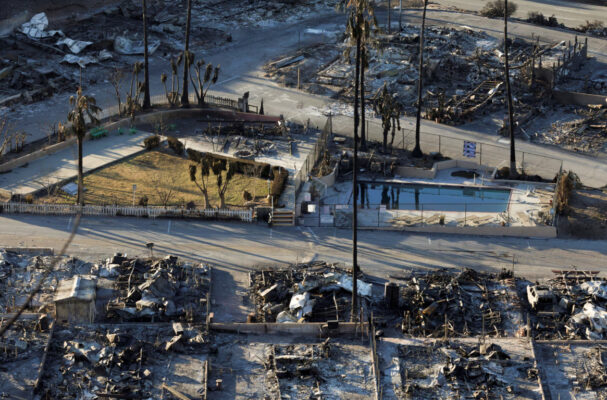
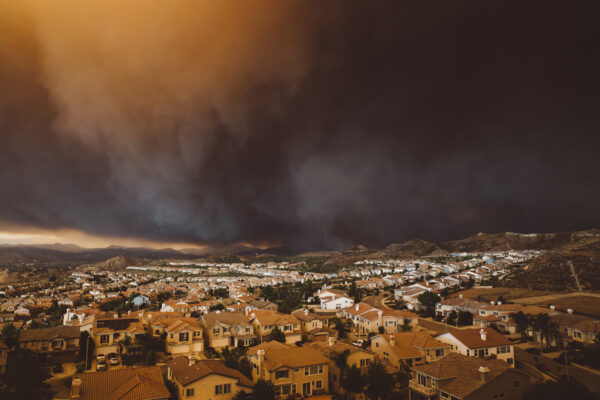
How can we chart a safer path forward in the wake of the historic LA fires? UCLA’s C-Solutions hosted the first annual LA Fire Research Conference to answer that question — convening researchers from across the U.S., agencies and survivors. The first annual LA Fire Health Research Conference was held on Jan. 14 at Covel Commons on the UCLA campus which convened researchers from across the U.S., public agencies, and wildfire survivors to share emerging findings and begin shaping a coordinated “playbook” for protecting public health before, during, and long after future urban wildfires.
The conference spotlighted work from the LA Fire HEALTH Study, a nationwide consortium formed after the January 2025 fires to understand what people were exposed to, where and at what levels, and how those exposures may affect health over time. Organizers and speakers emphasized that large urban fires pose distinct risks because much of the pollution can come from burning homes, vehicles, and consumer products, creating complex contamination pathways that may be hard to detect.
A major focus was turning science into actionable guidance. UCLA researchers presented new findings on outdoor and indoor chemical exposures, monitoring and cleanup challenges, and the urgency of interpreting data quickly enough to support recovery decisions. The story highlights research co-led by UCLA’s Yifang Zhu suggesting that carcinogens from smoke-damaged indoor materials can remain high or even increase after fires are extinguished, underscoring the importance of indoor environments in post-fire health risk.
Hosted by C-Solutions, the conference was guided by its co-directors: Michael Jerrett, who served as emcee, and Dr. David Eisenman, who helped architect the agenda and bring partners to the table. By day’s end, participants called for sustained coordination, clearer risk communication, and long-term monitoring to address the persistent gaps communities face after disaster.
Click here to access the full article.